
The current pace of development within the digital economy is more intense than ever before, making innovative and agile business practices highly important. Many businesses face a challenge when trying to maintain their pace of development and deliver a better customer experience due to inefficient legacy infrastructure, systems, and applications. This is why cloud modernization has become an integral part of sustainable development strategies for many companies.
It is not surprising that modern enterprises consider the adoption of cloud technology as more than just updating the existing infrastructure. Modernization initiatives should address every aspect of the business, including applications, data, business processes, and operations.
At the same time, AI and Cloud Computing are becoming inseparable technologies. Artificial intelligence is helping organizations automate operations, optimize cloud resources, improve security, and generate actionable insights. Together, AI and cloud technologies are enabling companies to accelerate digital transformation while maximizing return on investment.
This comprehensive guide explores the most effective cloud modernization strategies, the role of AI, and practical approaches businesses can use to accelerate growth and achieve measurable results faster.
What Is Cloud Modernization?
Cloud modernization is the process of transforming legacy applications, infrastructure, and operational processes using modern cloud technologies. It goes beyond simply migrating workloads to the cloud. Instead, it focuses on redesigning systems to fully leverage the flexibility, scalability, and innovation capabilities offered by cloud platforms.
Organizations pursuing modernization often aim to:
- Improve business agility
- Reduce operational costs
- Enhance cybersecurity
- Increase scalability
- Accelerate innovation
- Improve customer experiences
- Enable data-driven decision-making
The ultimate goal is to create a modern technology ecosystem capable of supporting future business growth.
Why Cloud Modernization Matters More Than Ever
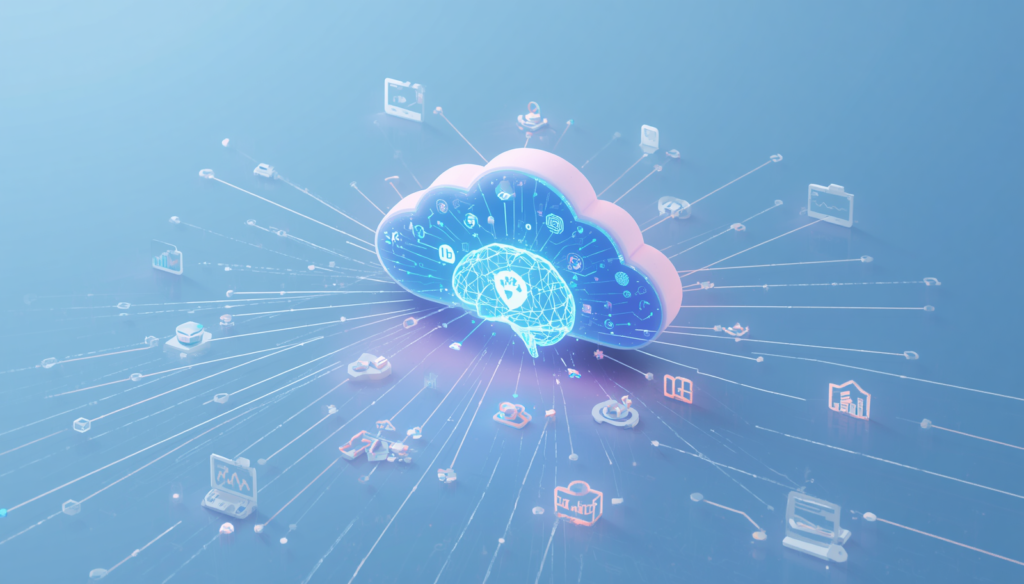
Business environments have become increasingly dynamic. Customer expectations are rising, competition is intensifying, and technology is advancing rapidly. Companies that continue relying on outdated infrastructure often face challenges such as:
- High maintenance costs
- Limited scalability
- Security vulnerabilities
- Slow deployment cycles
- Poor system performance
- Difficulty integrating new technologies
Cloud modernization addresses these issues by providing a flexible and future-ready foundation for innovation.
Organizations that invest in modernization are better positioned to adapt to market changes, launch products faster, and respond effectively to customer demands.
Understanding Time-to-Value in Cloud Transformation
Time-to-value refers to the period between investing in a technology initiative and realizing measurable business benefits.
A shorter time-to-value means organizations can:
| Benefit | Impact |
|---|---|
| Faster innovation | Quicker product launches |
| Cost optimization | Higher profitability |
| Better customer experiences | Increased loyalty |
| Operational efficiency | Improved productivity |
| Competitive advantage | Stronger market position |
The fastest time-to-value strategies focus on delivering measurable outcomes quickly rather than pursuing lengthy, complex transformation projects.
Cloud Modernization for Enterprise Growth

One of the top reasons why firms spend money on modernization is the growth of the business. Enterprise cloud modernization for growth enables firms to grow into new areas, offer fast digital products and services, operate with improved agility, and provide enhanced experiences to customers. Today’s advanced cloud solutions enable firms to be flexible enough to meet their business needs, all the while keeping expenses low.
Cloud-based technologies make it possible for companies to foster innovation, offer remote working solutions, and set the stage for future growth.
Infrastructure Modernization
Performance, scalability, and efficiency can be restricted through legacy infrastructures. Cloud computing addresses these concerns by providing elastic computing facilities which help to meet the requirements of businesses as per their needs.
Organizations can take advantage of automated scaling, high availability, better disaster recovery capabilities, and minimal dependency on physical infrastructure. This enables organizations to maximize performance and minimize costs.
Application Modernization
Applications play a critical role in digital transformation.
Modernization approaches include:
| Strategy | Description |
|---|---|
| Rehosting | Moving applications to cloud environments |
| Replatforming | Making minor optimizations during migration |
| Refactoring | Redesigning applications for cloud-native performance |
| Rebuilding | Creating entirely new cloud-native solutions |
| Replacing | Adopting modern SaaS applications |
Application modernization improves performance, scalability, and maintainability.
Data Modernization
One of the most important assets for contemporary companies is data. In this regard, data modernization becomes an integral element of cloud transformation because the traditional infrastructure of data management tends to be rather isolated. The implementation of new modern cloud solutions provides an opportunity for businesses to better collect, store, manage, and analyze their data in order to make informed decisions.
Moreover, such features as real-time analytics, advanced reporting, and centralized management of data enable organizations to act quicker and take well-informed steps for sustainable development.
Security Modernization
The security aspect always comes first in cloud modernization efforts. As an organization transitions its applications and data into the cloud, it needs to adopt new security measures that will help protect these valuable assets while being more agile.
Some of the modern cloud security technologies that can be used are identity and access management, multi-factor authentication, data encryption, threat intelligence, and zero trust security. By adopting modern cloud security technologies, an organization will be able to mitigate risks and protect itself from emerging cybersecurity threats while ensuring its compliance with regulatory requirements.
AI and Cloud Computing: A Powerful Combination
The relationship between AI and Cloud Computing is transforming the business landscape.
Artificial intelligence requires massive computing power, large datasets, and scalable infrastructure. Cloud platforms provide these capabilities, making AI adoption more accessible and cost-effective.
Together, AI and cloud technologies help organizations:
- Automate business processes
- Improve operational efficiency
- Enhance customer experiences
- Generate predictive insights
- Accelerate innovation
This combination is becoming a cornerstone of modern digital transformation strategies.
Benefits of AI in Cloud Computing
Understanding the benefits of AI in cloud computing is essential for organizations pursuing modernization.
AI-powered cloud solutions deliver value across multiple areas of the business.
Intelligent Automation
One of the biggest advantages of AI in cloud computing is intelligent automation. AI can automate repetitive and time-consuming tasks that traditionally required manual effort, allowing teams to focus on more strategic initiatives. By reducing human intervention in routine operations, organizations can improve productivity, minimize errors, and accelerate business processes.
Common areas where AI-driven automation delivers value include:
- Workflow automation
- Customer support and chatbots
- IT operations management
- Resource allocation and management
- Data processing and analysis
As a result, businesses can achieve greater operational efficiency while significantly reducing costs.
Predictive Analytics
AI-powered predictive analytics enables organizations to analyze historical and real-time data to forecast future trends and outcomes. Instead of reacting to events after they occur, businesses can anticipate challenges and opportunities before they arise.
Organizations use predictive analytics for various purposes, including:
- Demand forecasting
- Risk management
- Customer behavior analysis
- Inventory optimization
- Predictive maintenance
These insights help business leaders make smarter, data-driven decisions, improve planning, and gain a competitive advantage.
Improved Resource Optimization
Managing cloud resources efficiently is essential for controlling costs and maximizing performance. AI continuously monitors cloud environments, analyzes usage patterns, and identifies opportunities for optimization. This helps organizations ensure that resources are allocated effectively based on current business needs.
Key benefits of AI-driven resource optimization include:
- Lower cloud infrastructure costs
- Better application performance
- Improved resource utilization
- Reduced operational waste
- Enhanced scalability
By optimizing cloud environments automatically, organizations can maximize the return on their cloud investments while maintaining high levels of efficiency.
Enhanced Security
Cybersecurity remains a major concern for modern enterprises, and AI is playing an increasingly important role in strengthening cloud security. AI-powered security solutions can detect unusual behavior, identify potential threats, and respond to incidents much faster than traditional security systems.
Modern AI security capabilities include:
- Real-time threat detection
- Behavioral analytics
- Fraud prevention
- Automated incident response
- Continuous monitoring and alerting
This proactive approach helps organizations reduce security risks, improve compliance, and protect critical business assets while supporting ongoing innovation and growth.
Fastest Time-to-Value Strategies for Cloud Modernization
Organizations seeking rapid results should focus on strategies that deliver immediate business value.
Start with High-Impact Workloads
Not all applications provide equal value.
Businesses should prioritize workloads that directly affect:
- Revenue generation
- Customer experiences
- Operational efficiency
Focusing on high-impact areas produces measurable outcomes quickly.
Adopt an Incremental Approach
Large-scale modernization projects can take years to complete.
An incremental strategy allows organizations to:
- Reduce risk
- Maintain business continuity
- Achieve quick wins
- Improve stakeholder confidence
Small, measurable improvements often generate significant business value.
Leverage Cloud-Native Technologies
Cloud-native services accelerate modernization efforts.
Examples include:
- Containers
- Kubernetes
- Serverless computing
- Microservices
- Managed databases
These technologies improve agility while reducing operational complexity.
Automate Operations
Automation is one of the fastest ways to accelerate value realization.
Organizations can automate:
| Area | Benefit |
|---|---|
| Deployment | Faster releases |
| Testing | Improved quality |
| Monitoring | Early issue detection |
| Security | Stronger compliance |
| Resource provisioning | Increased efficiency |
Automation reduces manual effort and improves consistency.
How AI Accelerates Cloud Modernization
Artificial intelligence is becoming a critical enabler of modernization initiatives.
AI-Powered Infrastructure Management
AI continuously analyzes infrastructure performance and identifies optimization opportunities.
This enables organizations to:
- Prevent outages
- Improve reliability
- Reduce downtime
- Optimize resources
The result is faster realization of business value.
Intelligent Cost Management
Cloud spending can increase rapidly without proper oversight.
AI helps organizations:
- Monitor resource usage
- Detect anomalies
- Forecast expenses
- Optimize workloads
This improves cost efficiency and supports sustainable growth.
Automated IT Operations
AI-driven operations platforms can automatically:
- Identify issues
- Diagnose root causes
- Recommend solutions
- Execute remediation actions
This reduces operational burdens and improves service quality.
Common Challenges in Cloud Modernization
While modernization offers significant benefits, organizations must address several challenges.
Legacy System Complexity
Many enterprises operate complex environments with years of accumulated technical debt.
Challenges include:
- Outdated architectures
- Custom integrations
- Limited documentation
- Compatibility issues
A clear modernization roadmap helps overcome these obstacles.
Skills Shortages
Cloud modernization requires expertise in:
- Cloud architecture
- DevOps
- AI technologies
- Cybersecurity
- Data engineering
Investing in training and strategic partnerships can bridge skill gaps.
Security and Compliance Requirements
Organizations must ensure modernization efforts comply with industry regulations.
Strong governance frameworks help maintain compliance while supporting innovation.
Industry Applications of AI and Cloud Computing

Financial Services
Financial institutions use AI-powered cloud platforms for:
- Fraud detection
- Risk analysis
- Personalized banking
- Customer service automation
These capabilities improve efficiency and customer satisfaction.
Healthcare
Healthcare organizations leverage cloud modernization to:
- Manage patient data
- Enable telehealth services
- Improve diagnostics
- Enhance operational efficiency
AI-driven insights contribute to better patient outcomes.
Retail
Retail businesses use AI and cloud technologies to:
- Personalize shopping experiences
- Forecast demand
- Optimize inventory
- Improve customer support
These improvements drive revenue growth and customer loyalty.
Manufacturing
Manufacturers benefit from:
- Predictive maintenance
- Real-time monitoring
- Production optimization
- Supply chain visibility
Modern cloud platforms help increase productivity and reduce downtime.
Building a Cloud Modernization Roadmap
A structured roadmap improves the likelihood of success.
Step 1: Assess the Current Environment
Evaluate:
- Applications
- Infrastructure
- Security posture
- Data architecture
This assessment establishes a baseline for transformation.
Step 2: Define Business Objectives
Modernization goals should align with business priorities such as:
- Revenue growth
- Cost reduction
- Customer experience improvement
- Operational efficiency
Step 3: Prioritize Workloads
Focus first on systems that deliver the greatest business value.
Quick wins help build momentum and demonstrate ROI.
Step 4: Execute in Phases
A phased approach minimizes disruption and accelerates time-to-value.
Organizations can modernize critical systems first before expanding efforts.
Step 5: Continuously Optimize
Modernization is an ongoing process.
Continuous improvement ensures organizations remain competitive and maximize value from cloud investments.
Future Trends Shaping Cloud Modernization
Several emerging trends are influencing the future of cloud transformation.
Generative AI Integration
Generative AI is becoming a major driver of innovation.
Businesses are using generative AI for:
- Content creation
- Software development
- Customer support
- Knowledge management
Cloud platforms provide the scalable infrastructure required to support these workloads.
Multi-Cloud Strategies
Organizations increasingly use multiple cloud providers to improve flexibility and resilience.
Benefits include:
- Reduced vendor dependency
- Improved reliability
- Enhanced scalability
Edge Computing
Edge computing supports real-time processing closer to data sources.
Combined with cloud modernization, it enables:
- Lower latency
- Faster analytics
- Improved user experiences
Autonomous Cloud Operations
Future cloud environments will become increasingly self-managing through AI-driven automation.
Organizations will benefit from:
- Automatic optimization
- Predictive maintenance
- Intelligent security
- Reduced operational overhead
Conclusion
Incorporating Cloud Modernization into business strategies is very important for businesses that need agility, scalability, and growth in the long run. Successful modernization can help save cost, enhance customer experience, improve security and innovate continuously.
The inclusion of artificial intelligence (AI) technology alongside cloud computing is changing how modernization is achieved today. The increasing advantages of using AI in cloud computing ensure that AI is a necessary tool for modern digital transformation projects.
To achieve cloud modernization for enterprise growth, it is imperative for businesses to focus on their high-value applications, leverage cloud-native technologies, incorporate automation and adopt AI innovations. This will help them derive maximum value in less time.
FAQ’s
What is cloud modernization?
Cloud modernization is the process of upgrading legacy IT systems, applications, and infrastructure into modern cloud-based environments. It helps organizations improve scalability, performance, security, and agility while supporting digital transformation and business growth.
How does cloud modernization improve ROI?
Cloud modernization improves ROI by reducing infrastructure and maintenance costs, optimizing cloud resource usage, and increasing operational efficiency. It also enables faster deployment of applications, automation of workflows, and better scalability, which directly boosts business profitability.
What are the benefits of AI in cloud computing?
AI in cloud computing provides intelligent automation, predictive analytics, optimized resource management, and enhanced cybersecurity. It helps businesses automate repetitive tasks, forecast demand, detect anomalies, and improve decision-making, leading to higher efficiency and reduced operational costs.
How long does cloud modernization take?
The duration of cloud modernization depends on system complexity and business size. Small-scale projects may take a few weeks, while enterprise-level transformations can take several months or longer. Many organizations use phased modernization to achieve faster time-to-value.
What is the fastest cloud migration strategy?
The fastest cloud migration strategy is lift-and-shift, where applications are moved to the cloud with minimal changes. However, for long-term performance and scalability, businesses often combine it with replatforming or refactoring strategies.
Why is cloud modernization important for enterprise growth?
Cloud modernization is important for enterprise growth because it enables faster innovation, better scalability, improved customer experience, and higher operational efficiency. It helps businesses adapt quickly to market changes and supports long-term digital transformation and expansion.