
Marketing automation has become essential for modern businesses. As companies compete for customer attention across multiple digital channels, managing marketing activities manually is becoming increasingly challenging. This is where Artificial Intelligence (AI) is making a significant impact. AI is transforming marketing automation by enabling smarter audience targeting, real-time insights, and highly personalized customer experiences. It helps businesses automate repetitive tasks, analyze customer behavior, improve personalization, and make marketing campaigns more efficient and effective.
Today’s consumers expect relevant content, personalized recommendations, and timely interactions from brands. Traditional marketing automation systems can automate basic tasks such as sending emails or scheduling campaigns, but AI-powered marketing automation goes much further. It can predict customer needs, identify buying intent, and deliver personalized experiences based on real-time data and behavioral insights.
The combination of AI and marketing automation is reshaping how businesses attract, engage, and retain customers. Organizations are using AI-powered platforms to improve lead generation, segment audiences more accurately, optimize marketing campaigns, and measure performance more effectively. As AI technology continues to evolve, marketers are discovering new ways to increase productivity, improve campaign results, and deliver better customer experiences.
What is AI in Marketing?
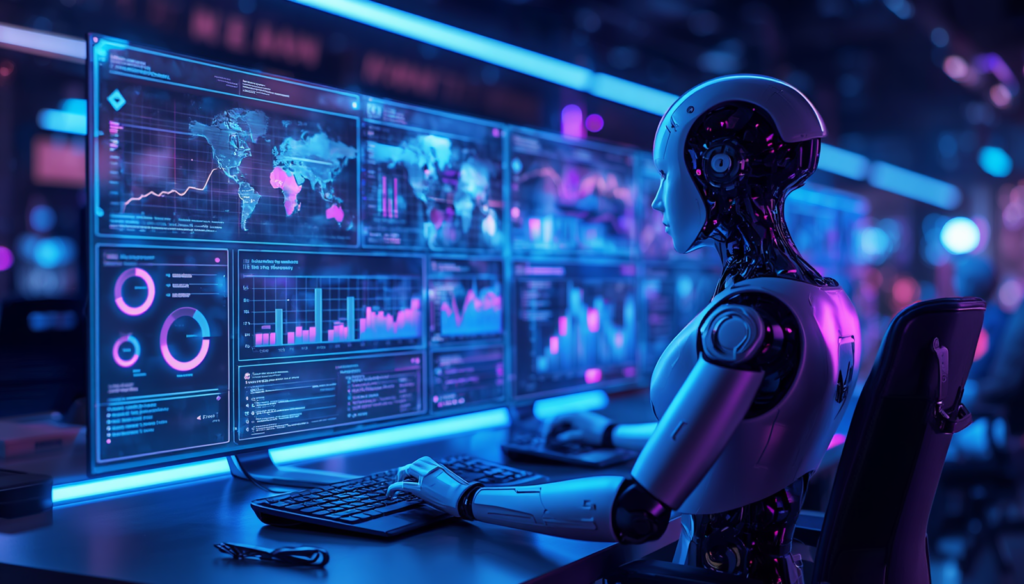
Artificial intelligence in marketing is, about using machine learning, analytics and data processing to help marketers make better decisions. AI systems look at lots of customer data. Find patterns that humans might miss.
This helps businesses create marketing campaigns that’re more targeted and effective.
- Machine learning technology
- Data-driven insights
- Predictive customer analysis
- Smarter marketing decisions
What is Marketing Automation?
Marketing automation involves using technology and software solutions for automating marketing processes and operations. This includes managing email marketing campaigns, social media activities, lead nurturing, segmenting customers, and generating reports.
Through automation, marketing professionals can achieve greater efficiency while ensuring that communications with prospects and customers continue to be consistent.
- Marketing automation processes
- Effective workflow management
- Campaign consistency
- Productivity gains
AI-Powered Customer Segmentation
Customer Segmentation is really important for marketing to work well. The AI system helps companies group people based on what they do what they like, how old they are and what they buy.
This means that people who make advertisements can send messages that’re more relevant to the people they are sending them to. This makes people more likely to pay attention to the messages.
- Better audience targeting
- Personalized experiences
- Higher engagement
- Improved campaign performance
Email Marketing Automation with AI
Email is still one of the best ways to do digital marketing. The AI system helps make email campaigns better by looking at what people do when they get emails and figuring out when’s the best time to send them.
The AI system can also make the line of the email and the things that are inside the email just for the person who gets it.
- Personalized email campaigns
- Better open rates
- Improved click-through rates
- Smarter email scheduling
AI Chatbots and Customer Engagement
AI powered chatbots are changing how companies talk to customers by giving them help right away and making it just for them. Companies use chatbots to answer questions figure out who might want to buy something and make the experience better for the customer.
These tools help companies be available all the time without having to pay more for support.
- Instant customer support
- Automated lead qualification
- Improved customer experience
- Reduced operational costs
How AI Is Transforming Marketing Automation
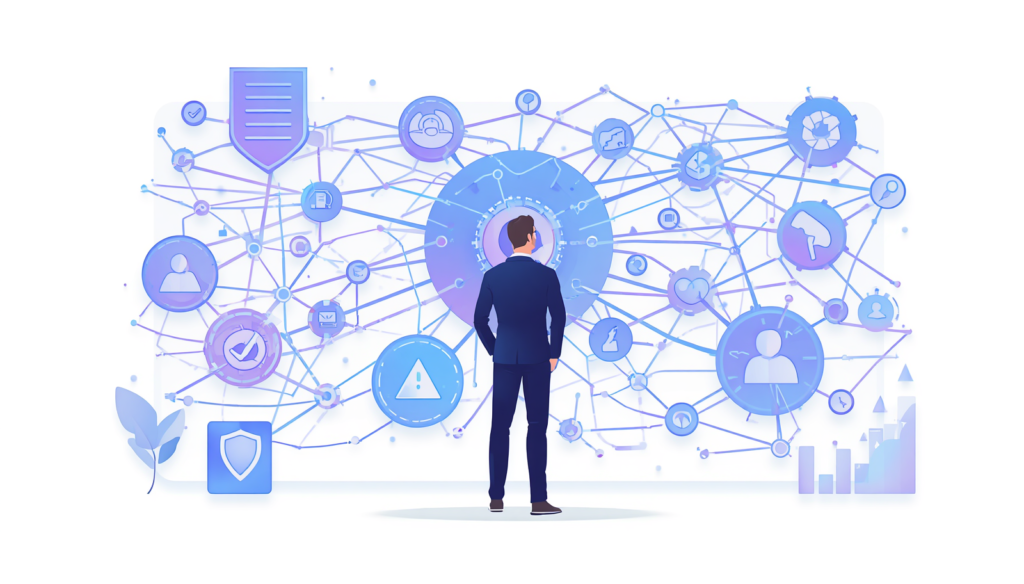
AI is making automation smarter and more adaptive. Of following set rules AI-powered systems learn from customer behavior and get better at campaign performance over time.
Now businesses can automate marketing activities and give customers highly personalized experiences.
- Intelligent automation
- Real-time optimization
- Better audience targeting
- communication
Traditional Automation vs AI-Powered Automation
| Feature | Traditional Automation | AI-Powered Automation |
|---|---|---|
| Workflow Rules | Fixed | Adaptive |
| Personalization | Basic | Advanced |
| Customer Insights | Limited | Deep Analysis |
| Decision Making | Manual | Predictive |
| Optimization | Scheduled | Real-Time |
- Smarter workflows
- Better customer insights
- Predictive decision-making
- Improved efficiency
Predictive Analytics in Advertising
Predictive analytics is used by companies to predict what the consumers will do in the future. Advertisers could benefit from this because they would be able to find potential customers for the product and improve their ad campaigns.
This allows companies to invest their budget efficiently and maximize returns on investment.
- Forecasting based on data
- Better lead generation
- Higher ROI for marketing campaigns
- More effective decision making
AI in Lead Generation
AI is helping companies get leads by looking at what people do on the internet and figuring out who might want to buy something. The AI system can automatically give scores to leads and put the people who’re most likely to buy something first.
This makes things easier for both the marketing team and the sales team.
- Better lead quality
- Automated lead scoring
- Increased conversions
- Improved sales alignment
Benefits of AI Marketing Automation
| Benefit | Description |
| Personalization | Tailored customer experiences |
| Efficiency | Reduced manual work |
| Analytics | Better decision-making |
| Engagement | Improved customer interactions |
| Scalability | Easier campaign management |
- Higher productivity
- Better customer experiences
- Smarter marketing decisions
- Increased campaign performance
The Future of AI-Powered Customer Engagement
AI is really helping businesses make customer interactions more personal. This is because AI gives them ideas about what customers might do and helps them talk to customers automatically.
- Better personalization
- customer satisfaction
- Smarter engagement strategies
- Automated support systems
How Predictive Analytics Is Changing Digital Marketing
Predictive analytics is a help to marketers. It helps them guess what customers will do and make their marketing campaigns work better.
- Better forecasting
- Targeting
- Higher conversions
- Data-driven decisions
AI-Powered Lead Generation Strategies
Businesses are using AI to find people who’re really interested in buying something. This helps them get leads.
- Automated lead scoring
- Better prospect targeting
- Increased conversions
- Sales alignment
Marketing Personalization in the AI Era
AI helps brands give customers experiences that’re just for them. This happens across marketing channels.
- Tailored content
- Improved engagement
- Better customer experiences
- Increased loyalty
The Role of AI, in Modern Martech Platforms
martech platforms use AI to automate work and make campaign management better.
- Smarter automation
- Better analytics
- efficiency
- Stronger marketing performance
Challenges of AI Marketing Automation
AI marketing automation has some downsides. Companies have to deal with data people getting worried about their privacy spending a lot of money to set it up and making sure it works with other technology.
To be successful you need to use automation. Also be creative and plan well. This is the way to make it work. AI marketing automation needs people to make it work.
- Data privacy concerns
- Technology costs
- Integration challenges
- Learning curve
Future Trends in AI Marketing Automation
AI is going to change marketing automation a lot. Companies will start using advanced ways to personalize things predict what people want make sure their websites work well with voice searches and manage customer interactions in a smarter way.
AI will keep helping marketers make things more relevant to people and make their work easier. This is what AI marketing automation is, about. AI marketing automation is the future.
- personalization
- Voice search optimization
- Predictive marketing growth
- Smarter customer journeys
Advantages of AI Marketing Automation
- Improved Efficiency – Automates repetitive marketing tasks, saving time and increasing team productivity.
- Better Customer Targeting – Uses data and behavior insights to reach the right audience with personalized content.
- Increased ROI – Optimizes campaigns and marketing spend to generate higher returns and conversions.
- Enhanced Customer Engagement – Delivers timely, relevant interactions through automated messaging and recommendations.
- Data-Driven Decisions – Analyzes large datasets to provide actionable insights and improve marketing strategies.
- Improved Lead Generation – Identifies high-quality prospects and nurtures them throughout the sales journey.
- Real-Time Optimization – Continuously monitors campaigns and makes adjustments to improve performance.
- Scalability – Supports business growth by managing larger audiences and campaigns without additional workload.
- Competitive Advantage – Helps businesses stay ahead by leveraging advanced AI-powered marketing capabilities.
Conclusion
Artificial Intelligence is rapidly reshaping the future of marketing automation by enabling businesses to create more intelligent, efficient, and data-driven marketing strategies. From delivering highly personalized customer experiences to enhancing lead generation, improving audience targeting, and optimizing campaign performance, AI is helping marketers achieve better results with greater accuracy and less manual effort.
As AI technologies continue to advance, their role in marketing automation will expand even further, offering new opportunities for businesses to streamline operations, understand customer behavior, and make faster, more informed decisions. Organizations that invest in AI-powered marketing automation today can gain a significant competitive advantage, improve customer engagement, and maximize their marketing return on investment.
In an increasingly digital and customer-centric marketplace, adopting AI-driven automation is no longer just an option it is becoming a key component of successful marketing strategies. Businesses that embrace these innovations early will be better equipped to adapt to changing consumer expectations, drive sustainable growth, and deliver exceptional customer experiences in the years ahead.
Frequently Asked Questions:
1. What is AI marketing automation?
AI marketing automation combines artificial intelligence with automation tools to improve marketing efficiency and personalization.
2. How does AI improve marketing campaigns?
AI analyzes customer data, predicts behavior, and optimizes campaigns in real time.
3. Can AI replace marketers?
No. AI supports marketers by automating tasks, but human creativity and strategy remain essential.
4. What are the benefits of AI in marketing?
Better personalization, improved efficiency, smarter analytics, and stronger customer engagement.
5. Is AI marketing automation suitable for small businesses?
Yes. Many affordable AI tools help small businesses automate marketing and improve results.