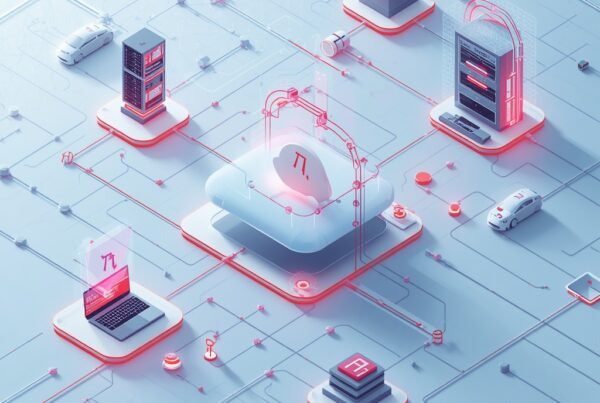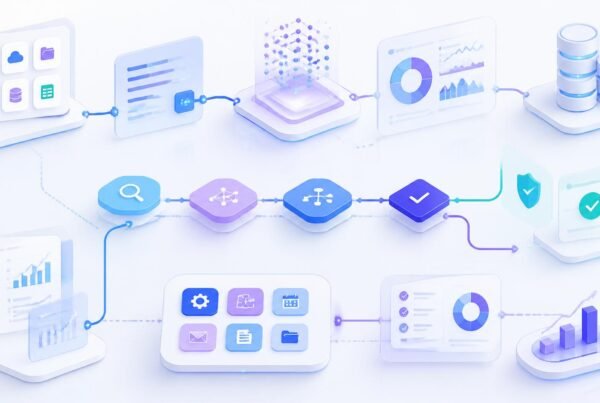


Software supply chain security has become one of the most important cybersecurity priorities for modern businesses. As organizations increasingly rely on third-party software, cloud services, open-source libraries, APIs, and external vendors, the attack surface continues to expand. A single vulnerable dependency can expose an entire enterprise to ransomware, data breaches, intellectual property theft, and costly downtime. High-profile cyberattacks over the past few years have shown that attackers no longer target only organizations directly they also exploit weaknesses in the software supply chain to compromise thousands of businesses simultaneously.
For B2B enterprises, the stakes are even higher. Businesses that provide software products or digital services are expected to maintain strong security practices not only to protect their own infrastructure but also to safeguard their customers’ environments. Enterprise buyers increasingly evaluate a vendor’s software supply chain security before signing contracts. Security questionnaires, compliance audits, Software Bills of Materials (SBOMs), and secure development practices have become standard requirements in procurement processes.
Whether your organization develops software, integrates third-party platforms, or depends on cloud-native applications, investing in software supply chain security is no longer optional. It has become a critical business strategy that supports customer trust, regulatory compliance, operational resilience, and long-term growth.

What Is Software Supply Chain Security?
Software supply chain security refers to the processes, technologies, and security controls used to protect every component involved in developing, distributing, deploying, and maintaining software. It focuses on securing the complete software lifecycle rather than only protecting the finished application.
Today’s applications rarely consist entirely of code written by internal developers. Instead, they include numerous external components such as open-source packages, third-party libraries, APIs, development frameworks, containers, cloud services, CI/CD pipelines, build servers, and deployment tools. Each of these elements introduces potential security risks that attackers may exploit.
A comprehensive software supply chain security strategy ensures that every software component is verified, monitored, updated, and protected from unauthorized modification throughout its lifecycle.
Components of a Modern Software Supply Chain
| Component | Purpose | Potential Security Risk |
|---|---|---|
| Open-source libraries | Accelerate development | Vulnerable dependencies |
| Third-party APIs | Extend functionality | Unauthorized access |
| Cloud services | Host applications | Misconfigurations |
| Containers | Standardize deployments | Compromised images |
| CI/CD pipelines | Automate releases | Pipeline attacks |
| Code repositories | Store source code | Credential theft |
| Package managers | Install dependencies | Malicious packages |
| Build servers | Compile applications | Build manipulation |
Rather than focusing only on application security testing, organizations now secure every stage where software is created, modified, stored, and delivered.
Why Software Supply Chain Security Has Become a Top Business Priority
Cybercriminals have shifted their focus from attacking individual organizations to compromising trusted software vendors and development ecosystems. By infiltrating a software supplier, attackers can distribute malicious code to hundreds or even thousands of downstream customers.
This approach makes software supply chain attacks highly efficient and difficult to detect because the malicious software often appears to come from a trusted source.
Several factors have accelerated the importance of software supply chain security.
Growing Reliance on Open-Source Software
Modern applications are built using thousands of open-source packages. Developers rely on frameworks, libraries, plugins, and reusable code to accelerate software development.
While open-source software offers tremendous flexibility and innovation, organizations often lack visibility into:
- Vulnerable packages
- Unsupported dependencies
- Malicious updates
- License compliance
- Dependency chains
Without proper monitoring, even one compromised package can affect an entire application.
Increasing Third-Party Vendor Dependencies
B2B companies integrate numerous external technologies including:
- Payment platforms
- CRM systems
- Identity providers
- Marketing tools
- Analytics solutions
- Cloud infrastructure
- AI services
Every external vendor introduces another potential attack path.
If a supplier experiences a breach, customer organizations may also become vulnerable.
Faster Software Release Cycles
Agile development and DevOps have dramatically shortened release timelines.
Instead of releasing software every few months, many organizations now deploy updates multiple times each day.
While this improves innovation, it also creates challenges:
- Less manual review
- Larger dependency chains
- Continuous integration risks
- Increased automation exposure
Without automated security controls, vulnerabilities can reach production environments much faster.
Rising Regulatory Expectations
Governments and industry regulators increasingly require organizations to demonstrate secure software development practices.
Organizations must now provide evidence of:
- Secure coding
- Dependency management
- Vulnerability scanning
- Patch management
- Software provenance
- Risk assessments
Software supply chain security helps organizations meet these expectations while reducing compliance risks.
Why Software Supply Chain Attacks Are Increasing
Attackers have discovered that compromising one software vendor provides access to many downstream customers.
Instead of attacking 500 organizations individually, cybercriminals can target one software provider and distribute malware through trusted updates.
This strategy offers several advantages for attackers:
| Traditional Attack | Supply Chain Attack |
|---|---|
| One victim | Thousands of victims |
| Easier detection | Difficult detection |
| Limited access | Broad enterprise access |
| Smaller impact | Massive business disruption |
Because customers trust legitimate software vendors, malicious updates may remain undetected for weeks or even months.
Common Software Supply Chain Security Risks
Understanding potential threats helps organizations build stronger defenses.
1. Vulnerable Open-Source Dependencies
Nearly every enterprise application depends on open-source software.
However, outdated or unsupported packages frequently contain known vulnerabilities.
Common issues include:
- Unpatched security flaws
- Abandoned projects
- Hidden malware
- Weak maintenance
- Insecure configurations
Organizations often have hundreds or thousands of dependencies that require continuous monitoring.
2. Malicious Software Packages
Attackers increasingly publish fake software packages that imitate legitimate libraries.
Developers accidentally install them, giving attackers access to:
- Credentials
- Source code
- Build environments
- Cloud infrastructure
- Customer data
Package managers have become common targets because developers trust them.
3. Compromised CI/CD Pipelines
Continuous Integration and Continuous Deployment pipelines automate software releases.
If attackers compromise these pipelines, they may:
- Insert malicious code
- Modify applications
- Steal secrets
- Deploy ransomware
- Access production systems
Protecting automation infrastructure is therefore essential.
4. Weak Access Controls
Many software development environments provide excessive privileges.
Examples include:
- Shared administrator accounts
- Poor password practices
- Exposed API keys
- Hardcoded credentials
- Weak authentication
Zero Trust access policies significantly reduce these risks.
5. Third-Party Vendor Breaches
Organizations frequently trust external vendors without continuously evaluating their security posture.
Risks include:
- Compromised updates
- Stolen credentials
- Malware distribution
- Insider threats
- Unauthorized access
Vendor risk management has become a core component of software supply chain security.

Business Impact of Poor Software Supply Chain Security
Ignoring software supply chain security affects much more than IT operations. It can disrupt entire business functions and significantly impact financial performance.
Financial Losses
Security incidents often lead to:
- Business downtime
- Revenue loss
- Incident response costs
- Legal expenses
- Regulatory penalties
- Customer compensation
The total cost of recovering from a supply chain compromise can far exceed the investment required to implement preventive security measures.
Loss of Customer Trust
B2B customers expect software vendors to maintain strong security practices. A breach resulting from compromised software can quickly erode confidence, leading to lost contracts and reduced customer retention.
Operational Disruption
Compromised software updates or infected development environments can interrupt critical business operations. Teams may be forced to halt deployments, rebuild infrastructure, or temporarily suspend services while investigating the incident.
Compliance Challenges
Organizations that fail to secure their software supply chains may struggle to meet industry regulations and customer security requirements. This can delay procurement processes, increase audit findings, and create barriers to entering regulated markets.
Why B2B Enterprises Need a Proactive Approach
For B2B organizations, software supply chain security is no longer just a technical concern it is a competitive advantage. Enterprise buyers increasingly ask vendors to demonstrate secure development practices, maintain Software Bills of Materials (SBOMs), perform regular vulnerability assessments, and follow recognized security frameworks before approving purchases.
Companies that invest in secure software development can strengthen customer confidence, reduce operational risk, and differentiate themselves in a competitive marketplace. A proactive strategy not only protects digital assets but also supports long-term business growth by building trust with partners, customers, and stakeholders.
How Software Supply Chain Attacks Work
Understanding how software supply chain attacks unfold helps organizations identify weaknesses before attackers can exploit them. Unlike traditional cyberattacks that target a single organization, supply chain attacks focus on compromising trusted software vendors, development tools, or third-party components. Once malicious code enters the software development process, it can spread to every customer using that software.
Attackers usually begin by identifying a weak point in the software ecosystem. This could be an open-source dependency with a known vulnerability, a compromised developer account, an insecure CI/CD pipeline, or a third-party vendor with insufficient security controls. After gaining access, attackers inject malicious code into the software build process or distribute infected software updates. Because these updates appear to come from a trusted source, organizations install them without suspecting any malicious activity.
Once deployed, the malicious code can steal sensitive information, create backdoors, deploy ransomware, or establish long-term persistence within enterprise networks. Since the software originates from a trusted vendor, detecting the attack often takes weeks or even months.
Typical Software Supply Chain Attack Lifecycle
| Attack Stage | Description | Business Impact |
|---|---|---|
| Reconnaissance | Attackers identify vulnerable software vendors or dependencies | Increased exposure |
| Initial Access | Gain access through stolen credentials or vulnerabilities | Unauthorized entry |
| Code Injection | Insert malicious code into software packages or builds | Compromised applications |
| Distribution | Deliver infected software updates to customers | Widespread compromise |
| Execution | Malware activates after installation | Data theft and disruption |
| Persistence | Maintain long-term access | Continuous security risk |
Common Entry Points for Software Supply Chain Attacks
Modern software ecosystems contain numerous interconnected components, each representing a potential attack vector.
Open-Source Dependencies
Open-source software accelerates development, but it also introduces security risks when dependencies are not properly monitored. Many enterprise applications include hundreds of third-party libraries, making it difficult to identify vulnerable or outdated components.
Developers may unknowingly include packages containing security flaws or malicious code. Without continuous vulnerability scanning, these issues remain hidden until attackers exploit them.
Third-Party Vendors
Software vendors often rely on external service providers for hosting, authentication, payment processing, analytics, customer support, and cloud infrastructure. Every additional vendor expands the organization’s attack surface.
If one supplier experiences a security breach, attackers may leverage that relationship to gain access to downstream customers. This interconnected ecosystem makes third-party risk management an essential part of software supply chain security.
Developer Credentials
Developer accounts frequently possess elevated permissions across repositories, cloud environments, and deployment pipelines. Stolen credentials allow attackers to modify source code, access sensitive data, or distribute compromised software updates.
Implementing multi-factor authentication, least-privilege access, and credential monitoring significantly reduces this risk.
CI/CD Pipelines
Continuous Integration and Continuous Deployment pipelines automate software testing and releases. While automation increases development efficiency, compromised pipelines can distribute malicious code to production environments at scale.
Organizations should secure build servers, verify build integrity, encrypt secrets, and continuously monitor pipeline activities.

Why B2B Enterprises Are Prime Targets
Cybercriminals increasingly target B2B software providers because compromising one vendor can affect hundreds or even thousands of business customers.
Enterprise software vendors often serve organizations across multiple industries, including healthcare, finance, manufacturing, telecommunications, and government. A successful attack against one software provider can have cascading effects throughout the global business ecosystem.
Several factors make B2B enterprises attractive targets.
Large Customer Networks
Enterprise software companies distribute applications to numerous customers through cloud platforms, software updates, and managed services. Attackers view these vendors as efficient entry points into multiple organizations.
Valuable Business Data
B2B applications frequently process confidential information such as financial records, intellectual property, customer databases, contracts, and operational data. This information has significant value on underground marketplaces.
Complex Technology Environments
Large enterprises use extensive technology stacks involving cloud platforms, APIs, containers, microservices, development tools, and third-party integrations. This complexity creates more opportunities for attackers to exploit overlooked vulnerabilities.
Trust Relationships
Business customers generally trust software vendors to deliver secure updates. Attackers exploit this trust by disguising malicious software as legitimate releases, increasing the likelihood that customers will install infected applications.
Software Bill of Materials (SBOM) and Its Importance
One of the most effective ways to improve software supply chain security is by maintaining a Software Bill of Materials (SBOM).
An SBOM is essentially a detailed inventory of every software component used within an application. Similar to an ingredient list on food packaging, it documents all libraries, frameworks, dependencies, versions, and third-party components.
Maintaining an accurate SBOM provides organizations with greater visibility into their software supply chains. When a new vulnerability is discovered, security teams can immediately identify affected applications and prioritize remediation efforts.
Benefits of an SBOM
| Benefit | Business Value |
|---|---|
| Dependency visibility | Faster vulnerability identification |
| Improved compliance | Supports regulatory requirements |
| Better incident response | Faster remediation |
| Vendor transparency | Increased customer trust |
| Risk management | Reduced exposure |
For B2B organizations, providing an SBOM has become a competitive advantage. Many enterprise customers now require software vendors to demonstrate transparency regarding software components before approving procurement contracts.
The Role of DevSecOps in Software Supply Chain Security
Traditional software development often treated security as a final step before deployment. However, this approach no longer meets the demands of modern development environments.
DevSecOps integrates security throughout the entire Software Development Life Cycle (SDLC), ensuring vulnerabilities are identified and addressed continuously rather than after deployment.
Security becomes a shared responsibility among developers, operations teams, and cybersecurity professionals.
Organizations adopting DevSecOps automate security tasks including:
- Dependency scanning
- Static code analysis
- Dynamic application testing
- Secret detection
- Infrastructure scanning
- Container image scanning
- Compliance verification
- Vulnerability management
By embedding security into development workflows, organizations significantly reduce the likelihood of vulnerable software reaching production.
Best Practices for Strengthening Software Supply Chain Security
Building a secure software supply chain requires a combination of people, processes, and technology. Organizations should implement multiple layers of protection rather than relying on a single security control.
Maintain Complete Asset Visibility
Security teams should maintain an up-to-date inventory of software assets, dependencies, cloud services, APIs, development tools, and third-party vendors. Comprehensive visibility enables faster identification of security gaps and improves incident response.
Continuously Scan Dependencies
Automated dependency scanning helps identify vulnerable open-source components before they are deployed into production. Continuous monitoring ensures newly disclosed vulnerabilities are detected quickly.
Verify Software Integrity
Organizations should digitally sign software releases and verify the integrity of software packages throughout the development and deployment process. Integrity verification prevents unauthorized modifications during software distribution.
Implement Least-Privilege Access
Developers, contractors, and third-party vendors should receive only the permissions necessary to perform their responsibilities. Restricting administrative privileges reduces the potential impact of compromised accounts.
Secure Development Pipelines
Protecting CI/CD environments is critical. Organizations should secure build servers, encrypt credentials, monitor deployment activities, and isolate production environments from development systems.
Regular Security Assessments
Periodic penetration testing, vulnerability assessments, and code reviews help identify weaknesses before attackers exploit them. Security testing should be integrated into every software release cycle.
Key Technologies Supporting Software Supply Chain Security
Modern cybersecurity platforms provide automated protection across software development environments.
| Technology | Primary Function |
|---|---|
| Software Composition Analysis (SCA) | Identifies vulnerable dependencies |
| Static Application Security Testing (SAST) | Detects coding vulnerabilities |
| Dynamic Application Security Testing (DAST) | Tests running applications |
| Container Security | Protects containerized workloads |
| Cloud Security Platforms | Secure cloud-native applications |
| CI/CD Security Tools | Protect build pipelines |
| Identity and Access Management (IAM) | Controls user permissions |
| Threat Intelligence | Identifies emerging attack techniques |
Integrating these technologies creates multiple layers of defense and improves overall resilience against software supply chain attacks.
Measuring the Success of a Software Supply Chain Security Program
Organizations should regularly evaluate the effectiveness of their security initiatives using measurable performance indicators.
Some of the most valuable metrics include:
| KPI | Purpose |
|---|---|
| Vulnerabilities identified before deployment | Measures proactive security |
| Mean Time to Remediate (MTTR) | Indicates response efficiency |
| Percentage of dependencies monitored | Tracks software visibility |
| Number of critical vulnerabilities | Assesses overall risk |
| Vendor security assessment completion rate | Measures third-party risk management |
| Security policy compliance | Evaluates governance effectiveness |
Monitoring these metrics enables security leaders to continuously improve their software supply chain security strategy while demonstrating progress to executives and customers.

Building a Software Supply Chain Security Roadmap for B2B Enterprises
Implementing Software Supply Chain Security is not a one-time project but an ongoing process that evolves alongside an organization’s software ecosystem. As businesses adopt cloud-native technologies, artificial intelligence, microservices, and open-source software, the complexity of managing software risks continues to grow. A structured roadmap helps organizations establish a secure foundation while ensuring long-term resilience against emerging threats.
The first step is understanding every component that contributes to the software development lifecycle. Organizations should inventory applications, third-party libraries, APIs, cloud services, containers, development tools, and external vendors. Without complete visibility, security teams cannot effectively identify or mitigate risks.
Next, businesses should establish clear security policies covering secure coding practices, dependency management, vulnerability remediation, software updates, access control, and vendor security requirements. These policies should be integrated into development workflows so that security becomes part of daily operations rather than an afterthought.
Automation also plays a significant role in modern software supply chain security. Automated vulnerability scanning, code analysis, dependency monitoring, and compliance checks enable organizations to detect issues much earlier in the development process, reducing both remediation costs and business risks.
Software Supply Chain Security Checklist for B2B Organizations
The following checklist can help organizations strengthen their software supply chain security posture.
| Security Area | Recommended Action |
|---|---|
| Software Inventory | Maintain a complete inventory of software assets and dependencies |
| Open-Source Management | Continuously monitor third-party libraries for vulnerabilities |
| Secure Coding | Follow secure software development standards |
| Identity Management | Enforce Multi-Factor Authentication (MFA) and least-privilege access |
| CI/CD Security | Protect build pipelines and deployment environments |
| Software Integrity | Digitally sign software releases |
| Vendor Management | Conduct regular third-party security assessments |
| Vulnerability Management | Scan continuously and remediate critical issues promptly |
| Incident Response | Develop and regularly test response plans |
| Employee Awareness | Provide ongoing cybersecurity and secure coding training |
Following these practices helps reduce security gaps while improving operational resilience.
Challenges Businesses Face When Implementing Software Supply Chain Security
Although organizations recognize the importance of software supply chain security, implementation often presents several challenges.
One of the biggest obstacles is the growing complexity of software ecosystems. Modern applications depend on thousands of software components, making it difficult to maintain complete visibility over every dependency.
Another challenge is balancing development speed with security. Development teams are expected to release new features rapidly, while security teams must ensure every release is properly tested. Without automation and collaboration, security can become a bottleneck.
Many organizations also struggle with limited cybersecurity resources. Skilled professionals capable of managing software supply chain risks remain in high demand, making it difficult for businesses to build specialized teams.
Additionally, vendor risk management requires continuous assessment rather than one-time evaluations. Third-party providers frequently update their software, infrastructure, and security practices, meaning organizations must continuously monitor vendor security instead of relying solely on initial assessments.
Benefits of Investing in Software Supply Chain Security
Organizations that prioritize software supply chain security gain significant business advantages beyond reducing cyber risks.
Improved Customer Trust
Enterprise customers increasingly evaluate security before selecting technology vendors. Demonstrating mature software security practices builds confidence and strengthens long-term business relationships.
Stronger Regulatory Compliance
Many regulations and industry standards now emphasize secure software development, vulnerability management, and third-party risk assessment. A well-implemented software supply chain security program helps organizations meet these requirements more efficiently.
Reduced Financial Risk
Preventing cyberattacks is generally far less expensive than recovering from them. By identifying vulnerabilities early, organizations reduce incident response costs, operational downtime, legal expenses, and reputational damage.a
Faster Incident Response
Organizations with complete software visibility can quickly identify affected systems when new vulnerabilities emerge. Faster detection enables security teams to prioritize remediation and minimize business disruption.
Competitive Advantage
Security has become an important differentiator in B2B markets. Vendors that demonstrate strong software supply chain security practices often gain a competitive edge during procurement processes, especially when selling to enterprise customers or regulated industries.
Future Trends in Software Supply Chain Security
As cyber threats continue to evolve, software supply chain security will become increasingly sophisticated. Several trends are expected to shape the future of secure software development.
Artificial intelligence will play a larger role in identifying vulnerabilities, detecting anomalous behaviors, and prioritizing security risks. AI-powered security tools can analyze vast amounts of development data, helping organizations identify threats more efficiently than manual processes.
Software Bills of Materials (SBOMs) are expected to become standard requirements across many industries. Enterprise customers and government agencies increasingly request SBOMs to improve transparency and accelerate vulnerability management.
Zero Trust principles will continue expanding beyond network security into software development environments. Every user, application, device, and software component will require continuous verification before receiving access.
Organizations will also invest more heavily in securing CI/CD pipelines, protecting containerized applications, and implementing automated compliance monitoring throughout the software development lifecycle.
As software ecosystems become more interconnected, collaboration between developers, security teams, operations professionals, and third-party vendors will become essential for maintaining secure supply chains.
Conclusion
Software Supply Chain Security has become one of the most important cybersecurity priorities for modern B2B enterprises. The growing reliance on open-source software, cloud services, third-party vendors, APIs, and automated development pipelines has significantly expanded the attack surface for organizations worldwide.
Cybercriminals increasingly exploit weaknesses within software supply chains because these attacks provide access to multiple organizations through a single compromise. As a result, businesses must shift from reactive security strategies to proactive risk management that secures every stage of the Software Development Life Cycle.
A comprehensive software supply chain security strategy includes continuous vulnerability monitoring, secure coding practices, Software Bills of Materials (SBOMs), DevSecOps integration, third-party risk management, automated security testing, and ongoing employee awareness. Organizations that embrace these practices are better positioned to reduce cyber risks, improve regulatory compliance, strengthen customer trust, and support long-term business growth.
Rather than viewing software supply chain security as solely an IT responsibility, business leaders should recognize it as a strategic investment that protects operations, enhances resilience, and strengthens competitive advantage. As digital transformation continues to accelerate, organizations that prioritize secure software development today will be better prepared for the evolving cyber threats of tomorrow.
Frequently Asked Questions
1. What is Software Supply Chain Security?
Software Supply Chain Security is the practice of protecting every component involved in developing, building, distributing, and maintaining software. It includes securing source code, open-source dependencies, third-party vendors, CI/CD pipelines, cloud infrastructure, and software updates.
2. Why is Software Supply Chain Security important for B2B enterprises?
B2B enterprises often serve multiple customers through software products and cloud services. A security breach within the software supply chain can affect numerous organizations simultaneously, making strong software security essential for protecting customer trust, business continuity, and regulatory compliance.
3. What are the biggest software supply chain security risks?
Common risks include vulnerable open-source libraries, malicious software packages, compromised CI/CD pipelines, stolen developer credentials, insecure APIs, third-party vendor breaches, and inadequate dependency management.
4. What is an SBOM?
A Software Bill of Materials (SBOM) is a detailed inventory of all software components, libraries, frameworks, and dependencies used within an application. It improves visibility and helps organizations quickly identify affected software when vulnerabilities are discovered.
5. How does DevSecOps improve Software Supply Chain Security?
DevSecOps integrates security into every stage of the software development lifecycle by automating vulnerability scanning, code analysis, dependency management, compliance checks, and continuous monitoring. This helps organizations detect and address security issues before software reaches production environments.